

Does Alcohol Affect Gym Progress? Your Fitness Guide
Sip your drinks slowly and alternate with water or non-alcoholic beverages. Impaired coordination and judgment increase the risk of injury during exercise. This is especially true if you’re engaging in activities that require balance, coordination, or quick reflexes. Hormones play a vital role in muscle growth, fat loss, and overall fitness. This comprehensive guide explores the foods and dietary patterns that scientific research has linked to impaired immune function, helping you make does alcohol weaken immune system informed decisions about your nutrition. Yes, certain medications, particularly corticosteroids (such as prednisone), can suppress the adrenal glands’ natural cortisol production.
Autoimmune diseases
- Additionally, the reduced diversity of gut bacteria diminishes the microbiome’s ability to synthesize vitamins and metabolites essential for immune cell function, further compromising immunity.
- If you know you’re going to drink, plan your workouts strategically and schedule them for days when you’re not consuming alcohol.
- When mitochondria are damaged, it leads to chronic inflammation and cell death.
Studies show that moderate drinkers still may face altered immune responses compared to those who do not drink alcohol. (4) Dose, frequency, and individual context all matter, as does the health of the brain, gut, and liver, which all play vital roles in immune communication. The overactivation of immune cells and cytokines due to alcohol-induced inflammation has far-reaching consequences. Chronic inflammation is linked to a variety of health issues, including liver disease, cardiovascular problems, and even certain cancers. For example, in the liver, prolonged inflammation can lead to conditions like alcoholic hepatitis and cirrhosis, as immune cells attack liver tissue in response to alcohol-induced damage.
Respiratory Complications
And it’s not alcoholism just that you’re more likely to get a cold — excessive drinking is linked to pneumonia and other pulmonary diseases. It can also lead to a wide range of health problems, including high blood pressure and heart disease, liver disease, and increased risk of cancer. Long-term effects of alcohol on the immune system include an increased risk of developing infections, chronic inflammation, and certain types of cancer. Short-term effects of alcohol on the immune system include increased susceptibility to infections, impaired wound healing, and decreased ability to fight off bacteria and viruses. This article dives deep into the science behind alcohol’s impact on your body, specifically in relation to your fitness goals.
Alcohol and white blood cells
- In conclusion, the short-term effects of alcohol on immune response are both immediate and dose-dependent.
- Understanding how alcohol interacts with your immune system empowers you to protect your health proactively.
- Blood tests may be performed if an underlying medical condition is suspected.
Alcohol addiction delivers a devastating one-two punch by both hindering the body’s defenses and leaving organs vulnerable to disease. Alcohol, when consumed regularly and in excess, can weaken the immune system. It can interfere with the immune system’s ability to fight off pathogens, reduce the production and function of immune cells, and even trigger inappropriate immune responses.
In my own experience, understanding how alcohol affects immunity https://organicspatreatments.com/reading-the-concept-of-opportunity-cost/ has been eye-opening. It’s not just about avoiding a hangover; it’s about safeguarding your body’s ability to protect itself every day. By choosing to limit or avoid alcohol, you empower your immune system to work at its best, reducing your risk of infections and supporting overall health. In addition to laboratory studies confirming the impact of alcohol consumption on the innate immune system, several studies have looked at how heavy drinking can alter plasma cytokine levels. To this end, one study analyzed IL-10, IL-6, IL-18, and tumor necrosis factor α (TNF-α) levels in 25 non-treating seeking heavy drinkers after they had consumed an alcoholic drink.
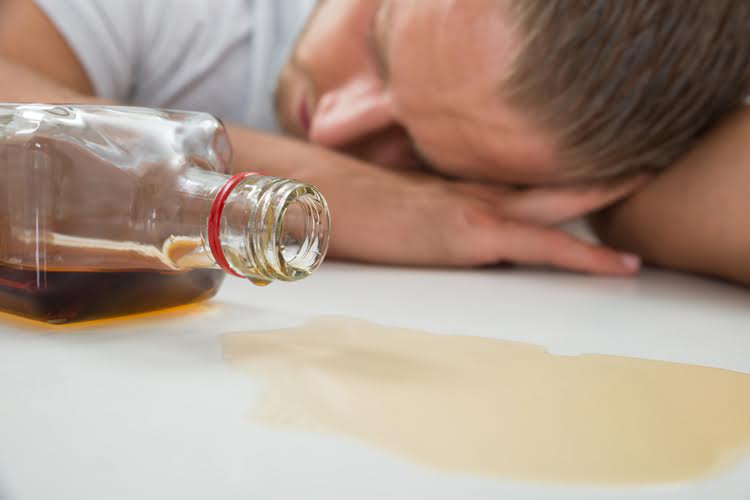
Remember that consistency in your workouts, proper nutrition, and adequate rest are the cornerstones of fitness success. By being mindful of your alcohol consumption and its impact, you can navigate the balance between enjoying social occasions and achieving your fitness aspirations. The key is to find a sustainable approach that supports your physical and mental health. Understanding how alcohol affects your fitness is crucial for making informed choices. Alcohol can hinder muscle growth, impair recovery, and disrupt weight management.
Proper management requires close monitoring by a physician to ensure optimal cortisol levels and minimize potential side effects. If you’re serious about building muscle, losing weight, or achieving peak performance, you may need to limit alcohol consumption significantly. Consider electrolyte-rich beverages or foods, such as sports drinks, coconut water, or bananas. Drink plenty of water to rehydrate your body after exercise and alcohol consumption.

Alcohol can suppress our innate immunity, which serves as the body’s frontline defense. This means infections like colds or the flu might last longer if alcohol has been consumed, as the immune cells’ ability to combat these pathogens is hampered. Healthy habits, such as being active, eating a balanced diet, and getting enough sleep, can keep your immune system strong. But unhealthy factors, like stress, smoking, or drinking alcohol, can be taxing for your immune system and make it harder for it to fight off infection. It weakens our bodies and makes it harder to combat stress, viruses, and diseases. Dietitians recommend sticking to one drink per day for women or two drinks per day for men.
One year of chronic alcohol drinking in rhesus macaques results in systematic rewiring of circulating monocytes and splenic macrophages, affecting their ability to respond to bacterial products such as LPS ex vivo (Lewis et al., 2022). Even without a secondary stimulation, alveolar macrophages demonstrated heightened cellular oxidative stress levels (Lewis et al., 2022) and intensified mitochondrial potential. To assess potential mechanisms for these altered functional states with alcohol, single cell level transcriptomics and epigenetics were performed on isolated alveolar macrophages. A new subset of macrophage chromatin reorganization and accessibility changes with alcohol were identified that bolsters the hypothesis that macrophages have limited ability to respond properly to pathogens.
In contrast, level of anti-inflammatory protein adiponectin increased (Joosten, van Erk et al. 2012). However, similarly to the in vitro studies described above, at 2 and 5 hours post-binge the numbers of circulating monocytes were reduced and levels of antiinflammatory IL-10 levels were increased (Afshar, Richards et al. 2014). The adaptive immune system can be subdivided into cell-mediated immunity, carried out by T cells, and humoral immunity, carried out by B cells.
Can pregnant or breastfeeding women get the COVID-19 vaccine?
These providers offer enhanced services and personalized attention to their patients. They typically have smaller patient loads, allowing for more time spent with each individual. “Those at increased risk should cut down or abstain from alcohol because every little thing an individual can do to improve the health and reduce risk is worth it at this point, even if the evidence is not entirely clear,” Mroszczyk-McDonald said. However, if you’re physically dependent on alcohol or drink heavily, stopping drinking without medical supervision may be dangerous.